

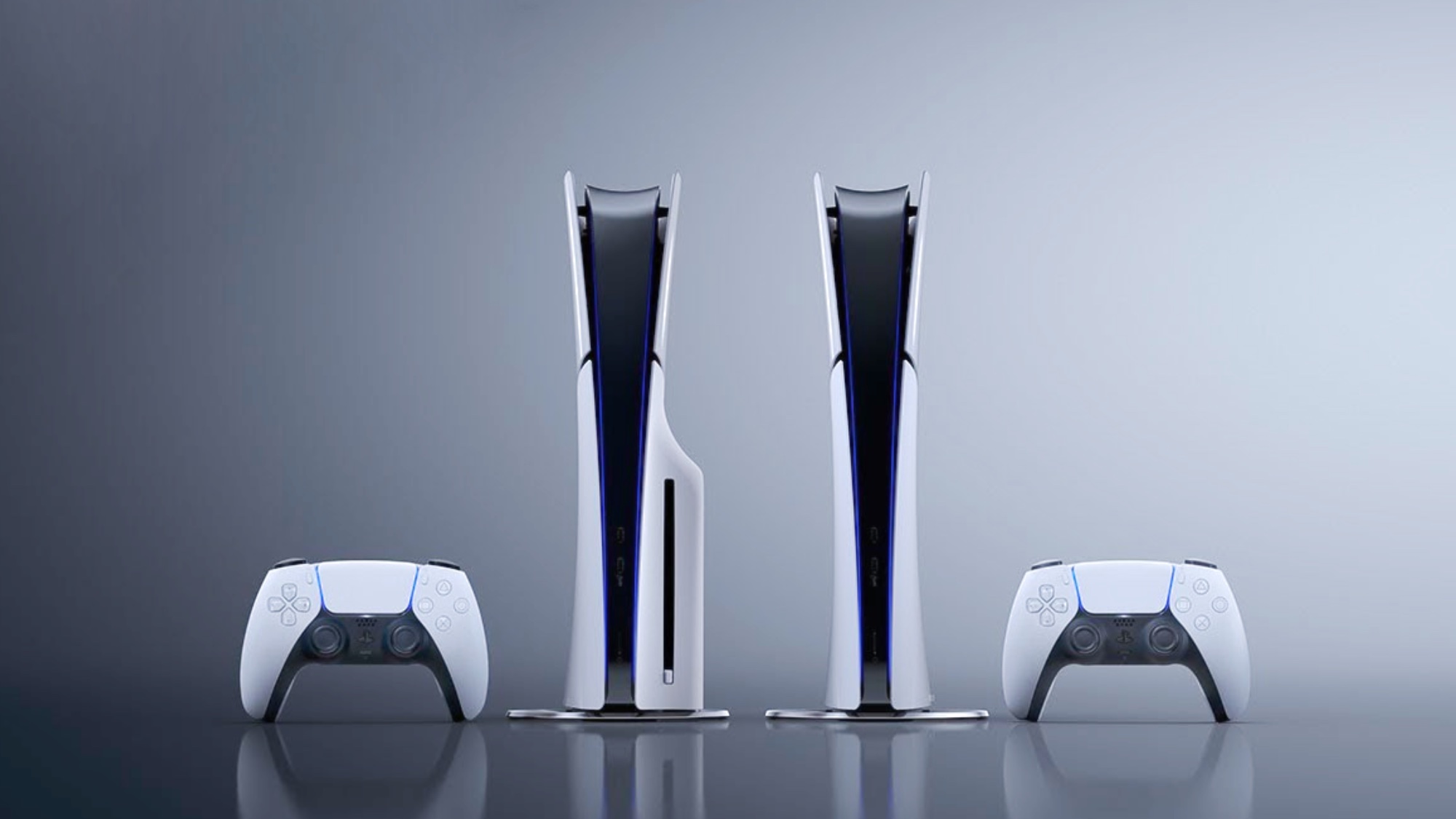
The all-digital future that those of us who collect games have long been dreading is finally upon us. Sony’s recent announcement that they will no longer be releasing physical copies of any new PlayStation games released beginning in January 2028 is effectively the death knell for physical releases.
I could write multiple articles about the ramifications of an all-digital future in the hands of console makers. With irony that would be hilarious in its tone-deafness if it wasn’t so tragic, at the same time they made the announcement about the end of physical releases, Sony announced the discontinuation of the PS3 and Vita store. Thousands of games and DLC just won’t ever be available for sale anymore. And, on top of that, all of this came on the heels of Sony outright removing purchased movies from people’s libraries – movies that people had bought with their own money, just gone for good with no recourse.
There is no ownership with an all-digital future. There is no shopping around for the best deal or waiting for a hot sale, because Sony, Microsoft, and Nintendo each have full control over their own stores and don’t allow alternative marketplaces. There’s no loaning games to friends, no trading in games when you’re done with them, and no guarantee that these companies won’t just come in any time and take your game away from you. You will own nothing, and you will have no other option.
But there have been a ton of articles written about all of this, so I’m not going to belabor all of those points. This is happening, we can’t really do much about it, and Sony has reiterated that they are going through with this despite the overwhelming backlash.
So, if this is a done deal and they’re not changing their minds…what do we do now?
Option 1: Just Accept It
This is the most obvious one. If you want to continue to play the newest releases, you’re just going to have to get over it and accept they’re going to be digital-only, with all the downsides and lack of ownership that come with it.
It’s not a cheap option either. The PS6 is probably going to cost north of $1,000 USD, if not more, with the global RAM crisis driven by AI data centers. Now that Nintendo has set the precedent, games will likely be at least $80 (Grand Theft Auto VI is following suit, and I expect it will be the norm for next gen), and you can expect discounts to be limited in amount and frequency because Sony has total control over the marketplace. There’s no used market and no alternative to buying on the PlayStation Store, so the price you see is the price you’ll pay.
If you’re on a limited budget, you’ll probably be playing a lot fewer games. For players who rely on renting games or borrowing them from friends, libraries, etc., those options won’t exist anymore.

There’s also the bit about refunds. Sony has a very limited refund policy that states if you start downloading the game, you can’t get a refund. Nintendo is even more restrictive: no refunds for any reason whatsoever. All sales are final. Compare that to Steam, where you can get a refund as long as you’ve owned the game less than two weeks and played less than two hours – which seems downright generous in comparison. While refunds for physical games are also limited, you can usually refund or exchange as long as the game is still sealed; and when you’re done you can trade it in to get at least some of your money back.
All in all, it sucks, but this is really your only option if you want to keep playing the next Horizon, God of War, or other PlayStation exclusives, especially since Sony has pulled back on releasing them on PC. Which brings me to…
Option 2: Embrace PC Gaming
Obviously this is digital-only too, but there’s a huge difference: PC is an open marketplace. There are multiple outlets where you can purchase your games: Steam, GOG, Epic, and all manner of third-party sites like GreenManGaming, Fanatical, and a bunch of others.
There’s another huge advantage here: you can back up your games locally. If a game gets pulled from a marketplace or a publisher tries to rip it from your account, you can keep a local copy saved. Game preservation on PC is miles ahead of consoles as well, with multitudes of mods and tweaks to ensure older games can continue to run on newer hardware.
Games also tend to go on sale more often and for deeper discounts on PC. Steam has major sales every couple months and dozens of smaller sales in-between, and you can get some ridiculously good deals, with some games even being discounted up to 90%. The Witcher 3 for $3.99? That’s over a hundred hours of incredible gaming for less than the price of a coffee. Even newer games often get discounted during these major sales.

No only that, but you can even get games for free on PC. Epic gives away two free games every single week. If you have Amazon Prime, you’re eligible for their rotating game giveaways. Steam also has giveaways on occasion – just this past week I picked up Moonlighter when it was free for a few days.
When I look at my Epic library, I have so many games that I’ve gotten for free that it would take me literal years to play through all of them, and I wouldn’t have spent a cent. And these aren’t just shovelware, there are some big-name games: Dragon Age Inquisition), Guardians of the Galaxy, Death Stranding, The Outer Worlds, Yooka-Laylee, and so many more. Add that to the multitude of indie gems they’ve given away like Cat Quest and Cassette Beasts, and I’m swimming in games that I haven’t paid a cent for.
Obviously, the biggest downside here is the step cost of entry to PC gaming. The AI scourge has hit the PC gaming market incredibly hard, and component prices are several times higher than they were just a couple years ago. Gone are the days when you could build a more-than-capable gaming PC for under $1,000. The RAM alone could very well cost close to half of that – and RAM used to be one of the cheapest components of a PC build.
You’re also going to be giving up console exclusives. While Sony and Microsoft have both been releasing their games on PC in recent years, Sony has recently backtracked and begun moving back to releasing their single-player narrative games exclusively on PlayStation.
There’s also the downside that PC requires a bit more fiddling and tinkering than consoles, which tend to “just work,” but PC gaming has matured enough that it’s usually not a huge deal. Older games are a bit of a different story, but, again, there are plenty of modders actively bringing them up to compatibility on modern systems.
Option 3: Patient Gaming
Those who know me know that I will always espouse the virtues of patient gaming; and the more time goes on, the more I feel justified in doing so.
As I’ve said countless times before, I have enough games in my backlog that it would take years to play through them all. That’s why B2B even exists! And even if I were to play through them all, I’m still going to be adding games to my library through Steam sales, Epic giveaways, and so on. And I’ve missed so many games over the years that I would love to go back and play, whether they be retro, current gen, or in-between.

With all that in mind, I could reasonably go the rest of my life without buying a new console and still never run out of things to play. And honestly, the older I get, I find myself being more disillusioned with modern games (at least the ones of the AAA variety) and gravitating towards older games, so I don’t know that it would be all that difficult.
That’s not saying I won’t cave to FOMO eventually (me, looking at the Switch 2 I said I would be waiting a couple years to buy, sitting in my TV stand). Maybe there will be a new Astro Bot or God of War that tempts me to spend entirely too much on a PS6, getting over my preference for physical games in the process. But I have fewer and fewer reasons to do so as time goes on, especially knowing what we know about the next generation of consoles.
For those who haven’t even considered going the patient gaming route, I’d encourage you to sit back and think about whether you really need or even want a next-gen console, even if you’re perfectly fine with it being all-digital. Especially for those of us with backlogs, this could present a prime opportunity to revisit those games and maybe even find some new favorites that we’ve overlooked. Even if you don’t have a backlog, there are inevitably thousands of games you’ve never played or maybe even heard of, and I’d encourage you to take a look through the Steam store or browse your local game store for some of those hidden gems.
So with all that in mind, what are your plans for gaming going forward? Maybe you’re already all-digital so this is a non-issue for you. Maybe you’re already on the patient gaming train. Or maybe you’re a mix of both or all of the above – for example, PC gaming with a Nintendo system for exclusives. Or, just maybe, you’re done with gaming all together.
Either way, the all-digital future is here, and for those of us who still plan to engage with gaming as a hobby, it’s time to start making some decisions about what that means for us.