
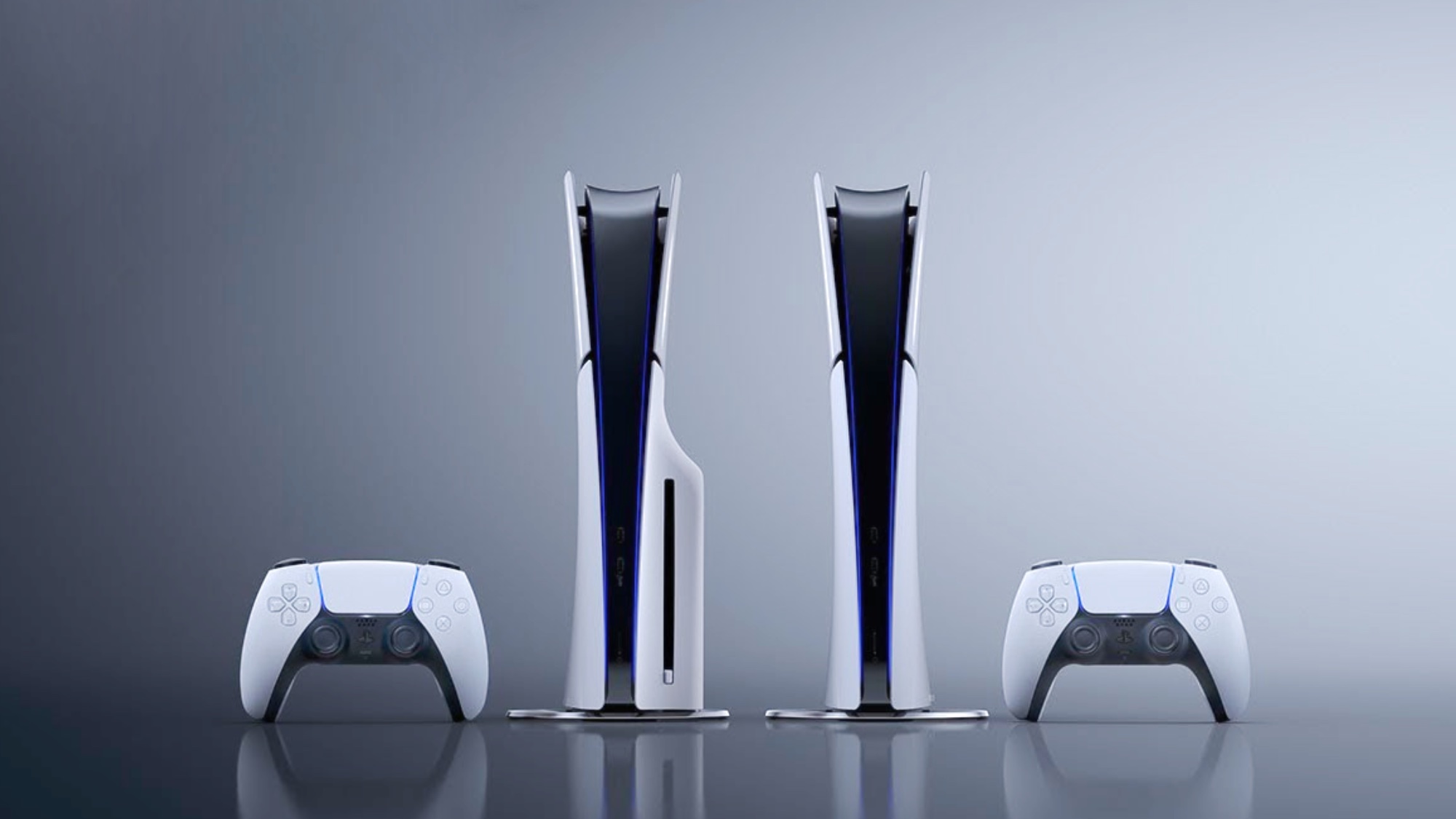

It’s hard to believe, but, if we’re following last gen’s timeline, we’re nearing the end of the PS5/Xbox Series X’s life cycle, and next year, 2027, we’ll be welcoming a new generation of consoles.
Unsurprisingly though, given the state of, well, everything…in recent weeks, we’ve been getting reports (starting with this one from Insider Gaming) that the next generation of consoles will be delayed. Just yesterday, in fact, a new Bloomberg article reaffirmed that Sony is considering pushing back the PlayStation 6 release to 2028 or 2029. Some other sources have speculated that it might even be more like 2030 before the PS6 arrives.
The main driving force behind these delays is DRAM pricing. While it’s not uncommon for one component of a PC or console to be in demand and overpriced (usually GPUs in recent years), DRAM is a key component of many electronics – from RAM itself to SSDs and GPUs – and the DRAM situation has inflated the price of multiple parts to an extreme we’ve rarely ever seen.
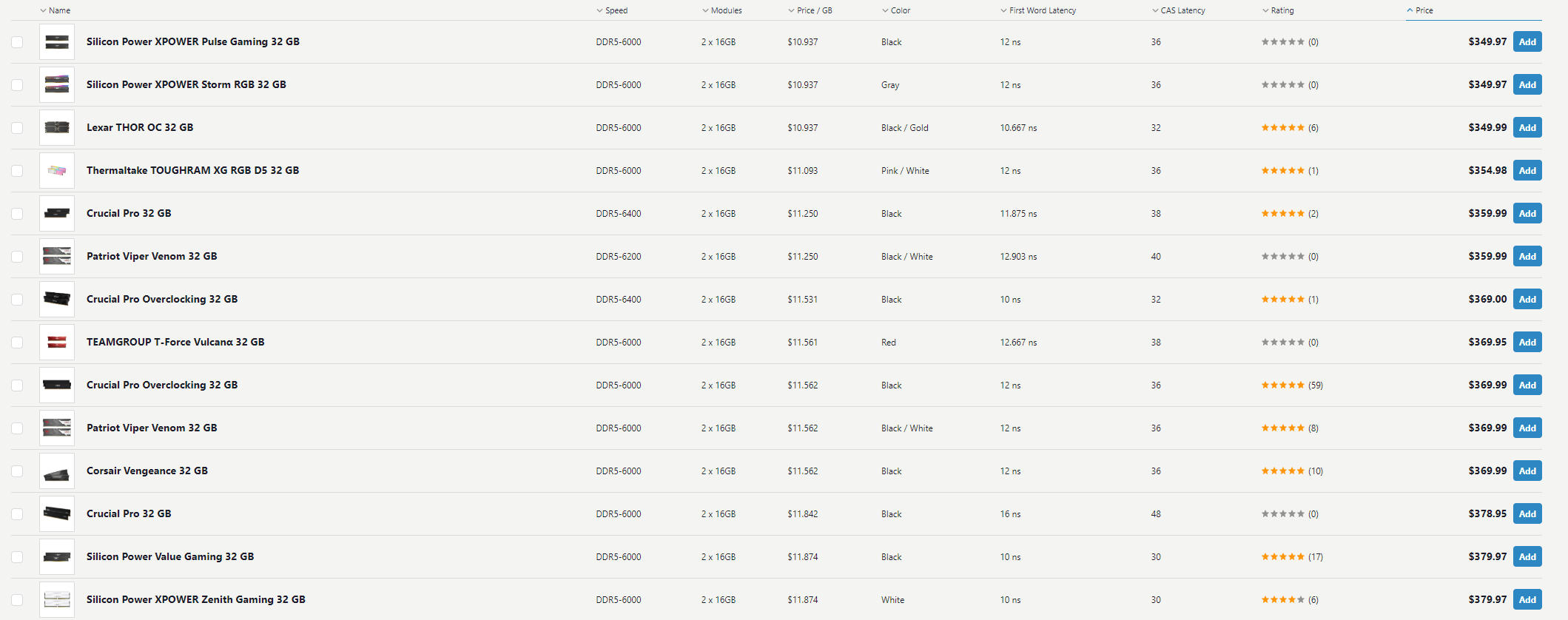
For an anecdotal example, when I built my PC in December 2023, I paid under $100 USD for 32GB of DDR5 RAM. Today, that RAM costs well over $300, and prices don’t even seem to have leveled out yet. Another even more recent example: just this past fall I considered adding an additional 2TB SSD to my PS5 when they were on sale for around $100, but I (foolishly) held off. Now, a 2TB SSD will cost around $250 or more, and I’m left kicking myself for not upgrading just a few short months ago.
But what’s the cause of all this extreme pricing? The go-to answer of “Why is *insert basic product or service here* so much shittier now?” – AI. AI companies have been buying all the RAM for data centers that haven’t even been built yet. Nvidia has shifted their focus from consumer GPUs to AI data centers – and AI GPUs use obscene levels of GDDR7 memory. SSD manufacturers have sent most of their allocations to AI companies, leaving much lower supply and highly inflated prices for everyday consumers. OpenAI is dumping money out at an unsustainable rate – and, again, the data centers all of this hardware is being bought for don’t even exist yet. A huge portion of the world’s economy, in fact, is being propped up by an AI bubble that’s entirely unsustainable, and things will get ugly fast when it inevitably bursts.
But, AI being a blight on humanity aside, a delay in the next generation of consoles might not actually be a bad thing for a number of reasons. Hear me out:
Pricing
Consoles are already exorbitantly expensive. For an industry that rightfully memed the hell out of “599 US dollars” after the PS3 reveal, the PS5 Pro launched at a staggering $699.99 USD. In previous gens, we could expect price cuts over the years as technology became cheaper, manufacturing became more efficient, and so on.
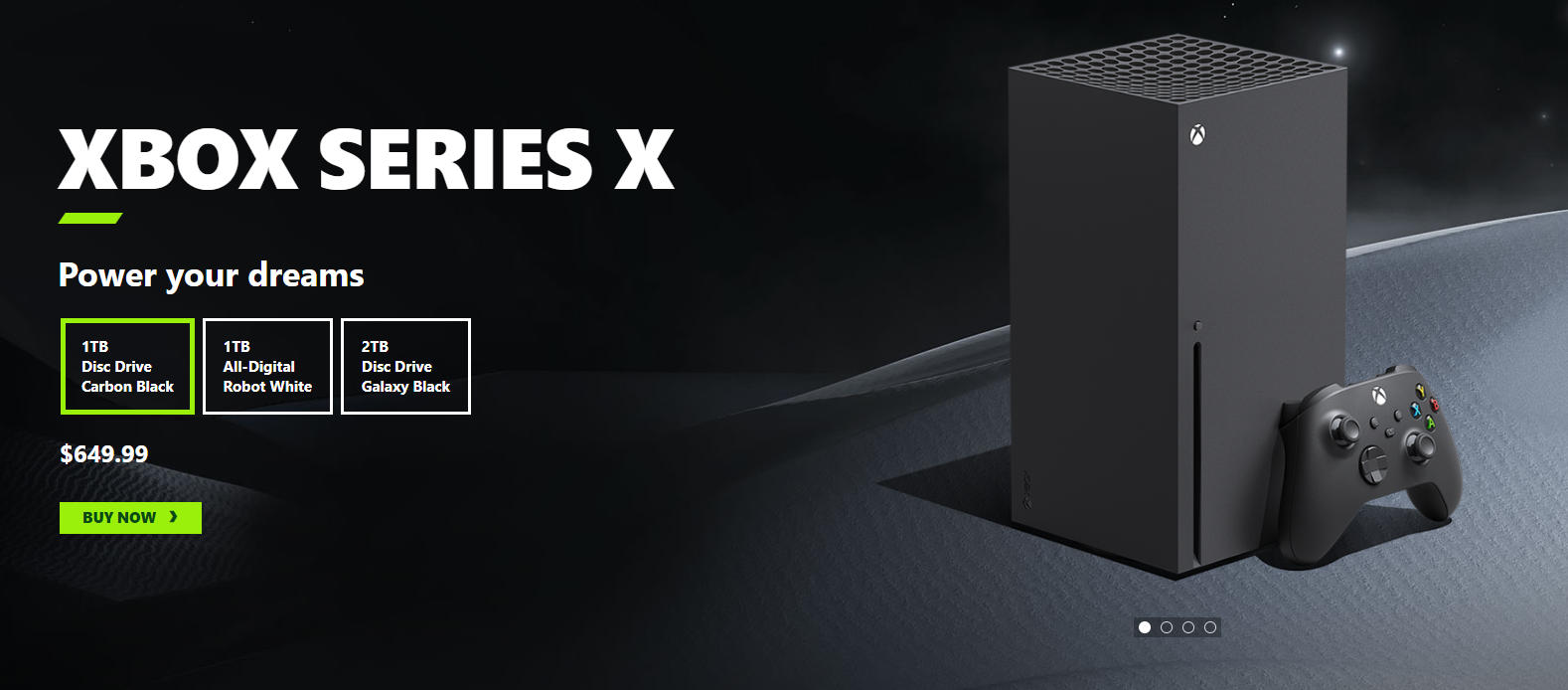
But, unprecedentedly, console prices have actually increased from their original launch MSRPs this gen. The PS5, which launched at $499.99 for the Disc Edition in the US, now sells a Slim model for $549.99. The Xbox Series X, which also launched at $499.99, is now an eye-popping $649.99. Even the last-gen Switch has received a price increase in the US, and the same Bloomberg article linked earlier mentions that the already-expensive Switch 2 will likely get a price increase in 2026 as well. With all that taken into account, a next gen PS6 or Xbox being released within the next couple years could very well be $1,000 or even more.
Obviously, a lot of this pricing debacle can’t be helped. Corporations are profit-driven, and it’s hard to make profit when an impulsive, idiotic orange felon is throwing around tariffs left and right, or when companies are going batshit crazy to get a piece of the AI pie. Those costs are going to be passed on to the consumer, resulting in higher MSRPs all around. The end result, however, is that gaming is on its way to being even more of a luxury hobby.
Gone are the days of consoles being the cheaper, accessible choice. And, yeah, compared to PC gaming they’re still more affordable – especially since those components have made PC building out of reach for all but the most dedicated enthusiasts. But the days of consoles being relatively low-cost and generally accessible seem to be behind us, and it’s going to be an increasingly harder ask for the general population to be able to afford them.
Budgets
While hardware pricing is a huge issue, game development budgets are also on an unsustainable path as well. An AAA game budget can be in the hundreds of millions of dollars, and those games take longer than ever to make – the better part of a console generation, in fact.
This means that one underperforming game almost inevitably results in mass layoffs, and often even the outright closure of the studio. There’s no room for error, no leeway, and no care for whether the game was beloved by those who did play it. And the bar for what counts as “underperforming” is getting higher and higher. Multiple industry sources have cited 10 million sales as a minimum ballpark for a game to be considered a success in today’s AAA game industry.
Such a huge investment and a high bar for success disincentivizes developers from taking risks, instead making safer games with more mass appeal. And since games are more expensive to the consumer, games are increasingly being filled with “stuff” to pad out the runtime and “offer more value” to the purchaser.
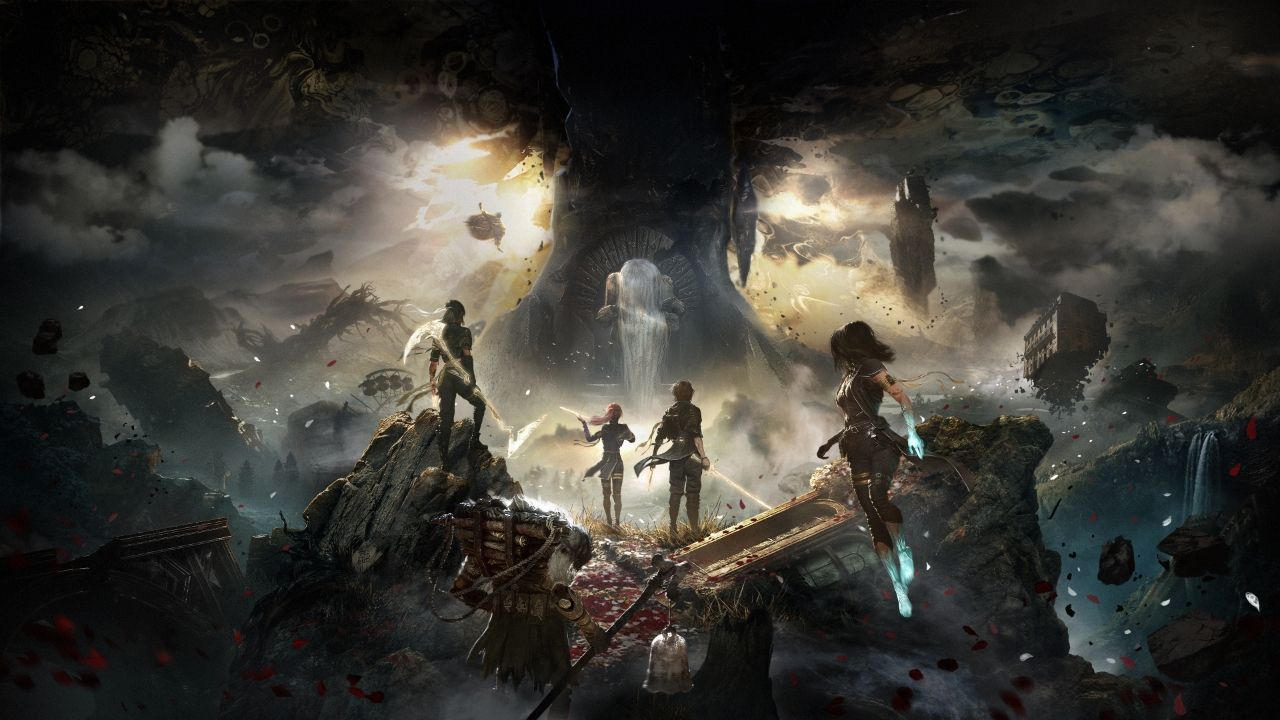
It’s not all bleak. There do seem to be signs of studios willing to scale back their scope and budgets, especially in the wake of Clair Obscur: Expedition 33 being such a critical and commercial success. While I haven’t gotten around to picking it up yet (it’s on my wishlist, don’t worry), Expedition 33 seems to have opened the eyes of developers and publishers that you can do great things with a fraction of the budget, and I hope that it’s the beginning of more games of that sort.
This Gen Has Just Hit Its Stride
Largely because of those long dev periods, the current generation barely feels as if it’s hit its stride. If we consider a 5-6 year dev period, games that were starting development in 2020 when the PS5 and XSX were released are just now starting to hit store shelves. Games starting development now are very likely being developed for the next generation.

Of course, a little thing called COVID began in 2020 as well, and we have to factor that into why the current gen seems to have taken its time getting rolling. 2+ years of limited availability and mass scalping didn’t help either.
Not only that, up until a year or two ago, a lot of PS5 games were being released cross-gen with PS4, and thus had to be scalable to the last gen console’s capabilities. Because of that, it feels like we’ve barely gotten to see what these current consoles can really do, even over five years into this generation.
Diminishing Returns
That being said, we’ve clearly reached the point where upgraded hardware and generational leaps are becoming more incremental and less noticeable. The graphical leap from PS4/XBO to PS5/XSX hasn’t really offered much in the way of “wow” moments – things that have made me go “Holy shit, now this is next gen.” I remember feeling that way with games like Uncharted 4 and Horizon Zero Dawn last gen, but so far I haven’t played a PS5 game that has seemed like a generational leap.
Don’t get me wrong, I greatly appreciate the near-elimination of load times through the current gen’s high-speed SSDs, and the fact a large majority of games are running at 60 FPS or at least have options to balance graphical fidelity and performance. But the graphics themselves have seemed like an incremental improvement at best, and the gameplay experiences (at least in the AAA space) are pretty much the same-old safe open-world content fests that rose to prominence last gen.
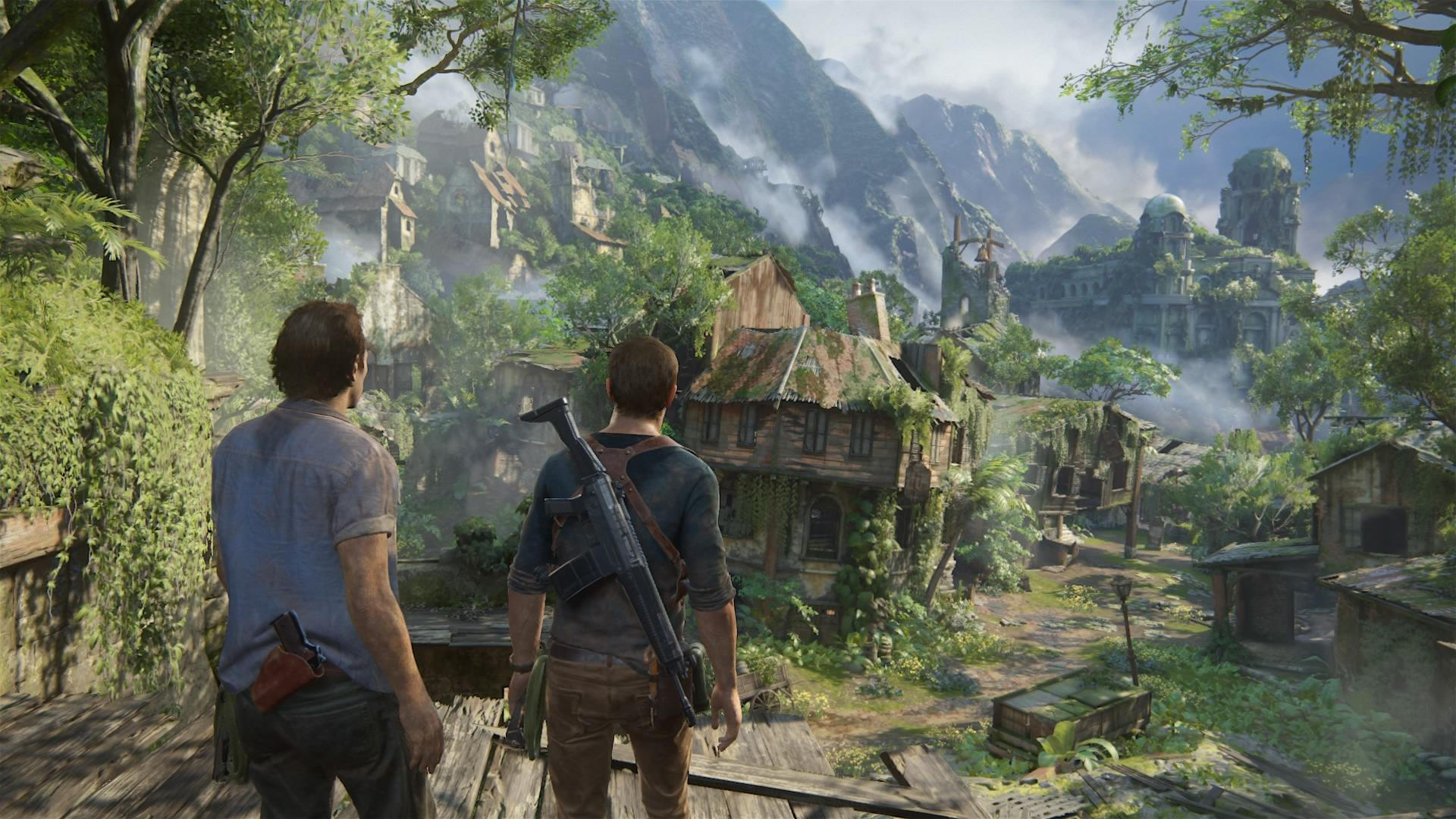
This proves, though, that PS5 and XSX are incredibly capable machines even now, and a longer generation will force devs to focus on optimization and squeezing every drop of performance from the current gen rather than just brute forcing it on new hardware. This goes for PC gaming as well: with more and more people being forced to play on modest hardware due to pricing, devs will need to focus on optimizing their PC ports going forward.
In the Meantime
The good news is, gaming doesn’t have to be an inaccessible luxury hobby. Even if next gen prices wind up being out of reach for a lot of people, there are decades worth of games from this and previous generations, readily available at bargain prices.
Obviously Steam is a treasure trove of games, with frequent sales offering nearly the entire Steam library at various discounts. You can easily pick up something like The Witcher 3 for under $5 during a Steam sale and have 100+ hours of incredible playtime ahead of you. But even for more modest hardware, there’s plenty to choose from. And, of course, I have so many games from free Epic Store giveaways that I frequently look at my library and find games I forgot I even owned – like Cat Quest, which I just finished playing.
But even for console-only gamers, there are thousands of games out there on the secondary market that can be bought for just a few dollars. So many games have been released over the years (and are still being released) that it’s inevitable that some have slipped through the cracks and evaded your attention. Patient gaming has never been a better option, and for those of us who don’t have a huge backlog already on our shelves, there’s plenty to choose from that won’t break the bank.
All in all, a next gen delay isn’t a bad thing. We can afford for this gen to last longer than normal, and I think as we continue into the realm of diminishing returns we’ll see “normal” being stretched out as much as possible. Even if new consoles don’t come out until 2030, that will hopefully give time for the AI bubble to pop and hardware prices to come down, and we can only hope that those new systems will be able to be launched at a reasonable price with noticeable upgrades. In the meantime, let’s give this generation a much-needed opportunity to breathe and stretch its wings a bit.