

Once upon a time, The Legend of Zelda was my favorite series in all of gaming. From the very first time I played Ocarina of Time, I fell in love with the dungeon crawling, the puzzle solving, the arsenal of items Link collected over the course of his adventure, and the quirky charm that pervaded the series.
That classic template that started with A Link to the Past and continued into the 3D entries in the series enamored me, and I moved on to try The Wind Waker, further solidifying my love of the series, and Majora’s Mask, which took me a while to come around to. I also jumped into the 2D entries in the series. By that point, a new Zelda game was a day one purchase for me – even if it meant buying a new console for it.
The hallmark of the ALttP/OoT formula is a guided storyline and clear linear progression, all the while giving plenty of opportunities to go off the beaten path and explore. In each game, you build up your inventory of items as you explore heavily themed dungeons and use those items in creative ways to unlock paths, solve puzzles, defeat enemies, and eventually work your way to the final showdown with Ganon/Vaati/insert-big-bad-of-the-game-here.
The classic Zelda gameplay loop is one that several games tried to emulate, but never to the lofty standards set by the real thing. Games like Darksiders and Okami were great games, and they would scratch the Zelda-like itch in a pinch, but they were pale imitations when compared to their inspiration. Every new Zelda game was a unique experience you couldn’t get anywhere else.
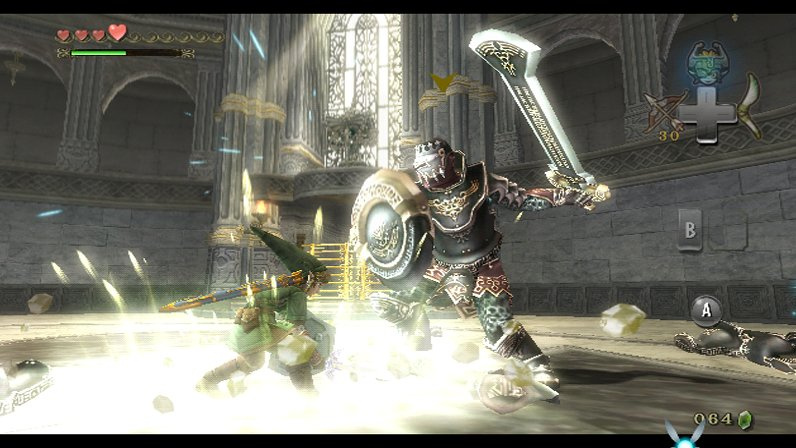
Twilight Princess came along with the Wii, and it built upon this formula with a much larger overworld that had lots of nooks and crannies to explore that held puzzles, loot, and minigames. It also ramped up the dungeon design, with some of the most memorable ones in the series, and the items found within them showed the Zelda team’s creativity at their finest. Who can forget ping-ponging through the Arbiter’s Grounds on the Spinner, or bashing with the ball and chain through an icy mansion owned by an adorably-in-love Yeti couple, or vaulting through the City in the Sky with the Double Clawshots? Sure, the game did a less-than-stellar job of making use of a lot of those items after you finished their signature dungeon, but Twilight Princess was still a top-notch execution of the Zelda formula.
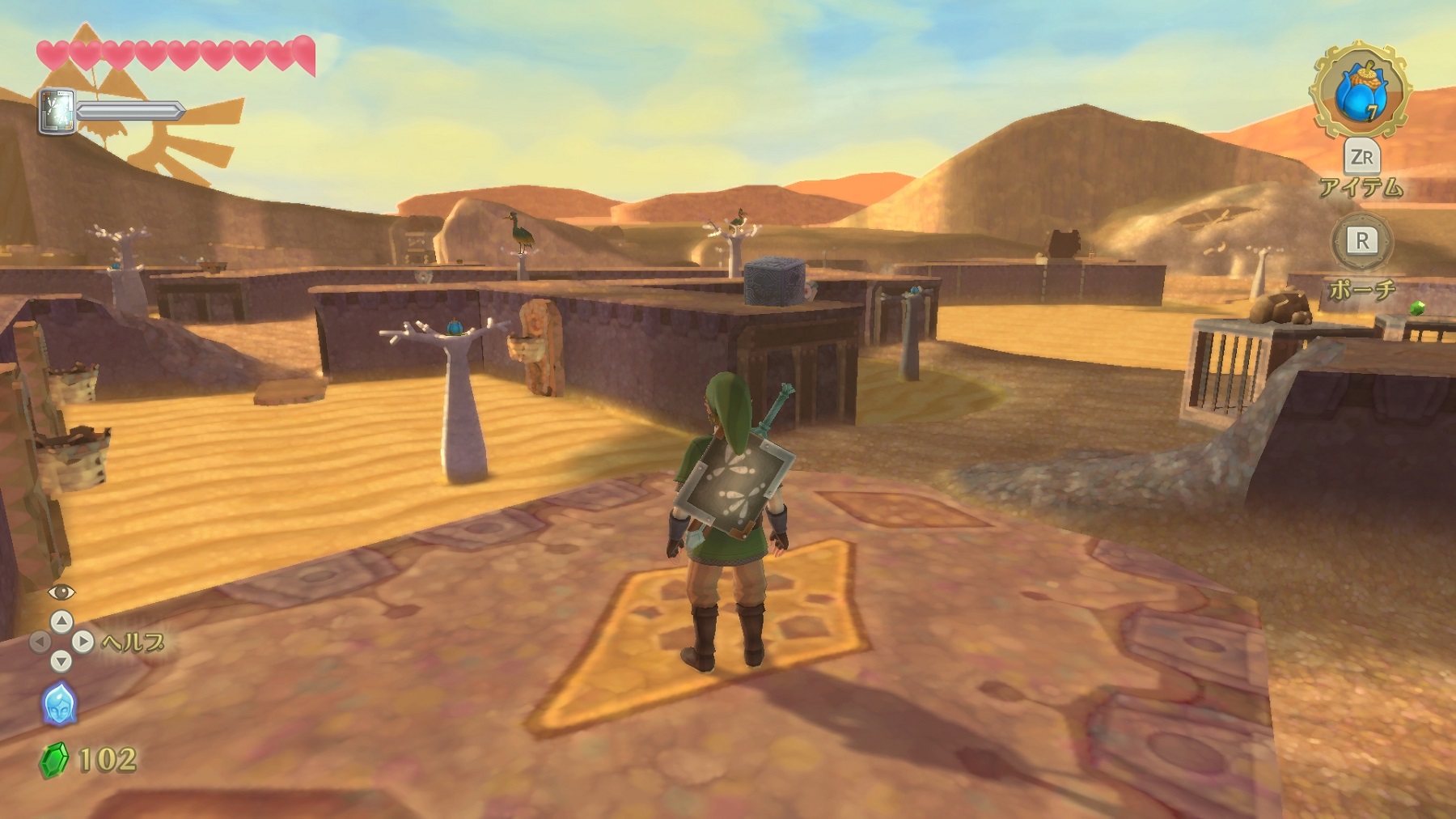
The oft-maligned Skyward Sword came at the end of the Wii’s life, and, while it wasn’t perfect by any means, it brought about evolutions to the formula I was thrilled to see and a direction I would have loved to build upon going forward. The overworld itself became a dungeon-like experience, with lots of puzzles, objectives, and even some bosses and minibosses on your path from one dungeon to the next. And the dungeons themselves were also fantastic, with perhaps the most creative items in the series – and, notably, these items were used well throughout the entire adventure, fixing that issue from Twilight Princess.
While Skyward Sword had lots of issues – including dodgy-at-times motion controls, relentless padding (the #%@&ing Tadtones, and the awful repeated Imprisoned fight), and the relatively barren sky islands – it offered a much-needed breath of fresh air in many other ways. Add in memorable boss fights (Koloktos is still an S-tier Zelda boss), a bigger emphasis on plot and characterization, and a beautiful watercolor art style, and the end result was a top-tier Zelda adventure that offered a lot of things I would have loved for Nintendo to have built upon going forward. Unfortunately, my opinion was in the minority, and Nintendo seemed to be in agreement with the fans demanding radical changes to the series.
A Link Between Worlds on 3DS began the shift to a more free experience. Instead of finding items in dungeons, you could either rent or purchase them from Ravio’s Shop at any time. This made the dungeon designs a bit more generic, since they had to be designed in a way that didn’t expect the player to have a fixed arsenal of items by the time they got to that dungeon. The difficulty curve suffered as well, because many of the dungeons could be completed in any order. That being said, ALBW still, at its core, felt like a Zelda game and scratched that itch admirably.
But then came Breath of the Wild. Critics and players alike lauded it as one of the greatest games of all time, if not the greatest. It was a true re-envisioning of the Zelda series, offering a jaw-droppingly huge overworld with unlimited freedom (you could literally go from the starting area straight to Ganon if you wanted an insane challenge). In almost every way it was the anti-Skyward Sword, responding to that game’s backlash and complaints about being “tired of the classic Zelda formula” by throwing out just about everything about that formula.
Gone was the direction, in favor of a totally “open air” experience. You were given all the tools you’d have during your adventure at the beginning, and there were only four. The game’s impressive physics system and its interaction with those tools were the only real source of puzzles – no controlling statues with a magical rod or hitting targets with a mechanical beetle to be found here. Instead of creative, unique items that built your toolkit throughout the game, you were given mountains and mountains of generic weapons and shields that broke after about two hits (I could spend all day talking about the godawful weapon durability system, so I’ll stop there).
Dungeons were less than an afterthought; gone were the immaculately themed temples of old that were filled with creative puzzles and item-exam boss fights, replaced with generic mechanical beasts that offered little in the way of puzzles and enemies to fight. The Divine Beasts, as they were called, wrapped up with even more lackluster boss fights that resembled something more out of baby’s first Dark Souls rather than a creative test of your use of your arsenal.
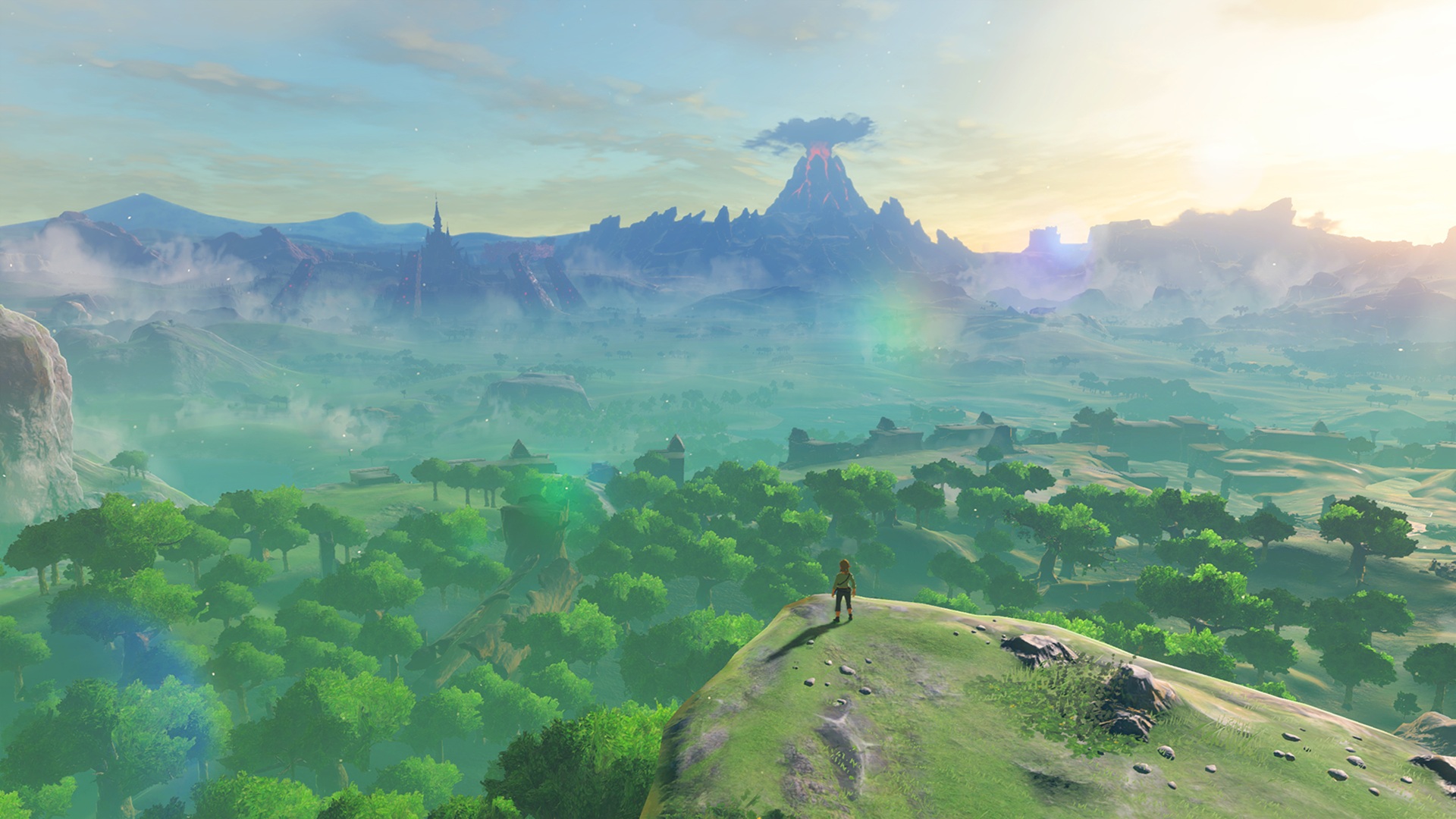
Despite my reservations, I still put 65+ hours into the game over the course of a month or so before beating it. For all its faults, BotW does have a good “just one more thing” hook to keep you playing. Yet after spending all that time with the game, I mostly just felt sad. Breath of the Wild jettisoned literally everything I loved about the series and turned it into a wildly generic open-world sandbox. An impressive sandbox, admittedly, but still nothing about it resembled a Zelda game in my eyes. On top of that, the world just seemed barren and lifeless, and devoid of much of the charm and quirkiness I’d come to love about the series. Breath of the Wild wasn’t the best Zelda ever in my eyes – it was actually near rock bottom on my list.
But I knew my opinion was in the vast minority. With the response to BotW, it was no surprise when series producer Eiji Aonuma said that this would be the new style for Zelda going forward, and that the old Ocarina template was in the past. Over the next few years, I got a taste of the Zelda I used to love by revisiting some of my favorite games in the series with the Link’s Awakening remake and Skyward Sword remaster, but I truly felt like my favorite series in all of gaming had moved on and left me behind.
I didn’t even buy Tears of the Kingdom when it came out, because it just looked like more Breath of the Wild but with a new crafting system to make vehicles and machines…which was not anything that interested me in the slightest. I remember telling a friend that “If I wanted to play Banjo-Kazooie: Nuts and Bolts I’d just grab it off my shelf and play it.” (Who knows? Maybe one day I’ll actually play Nuts and Bolts and there will be an article on B2B about it!)

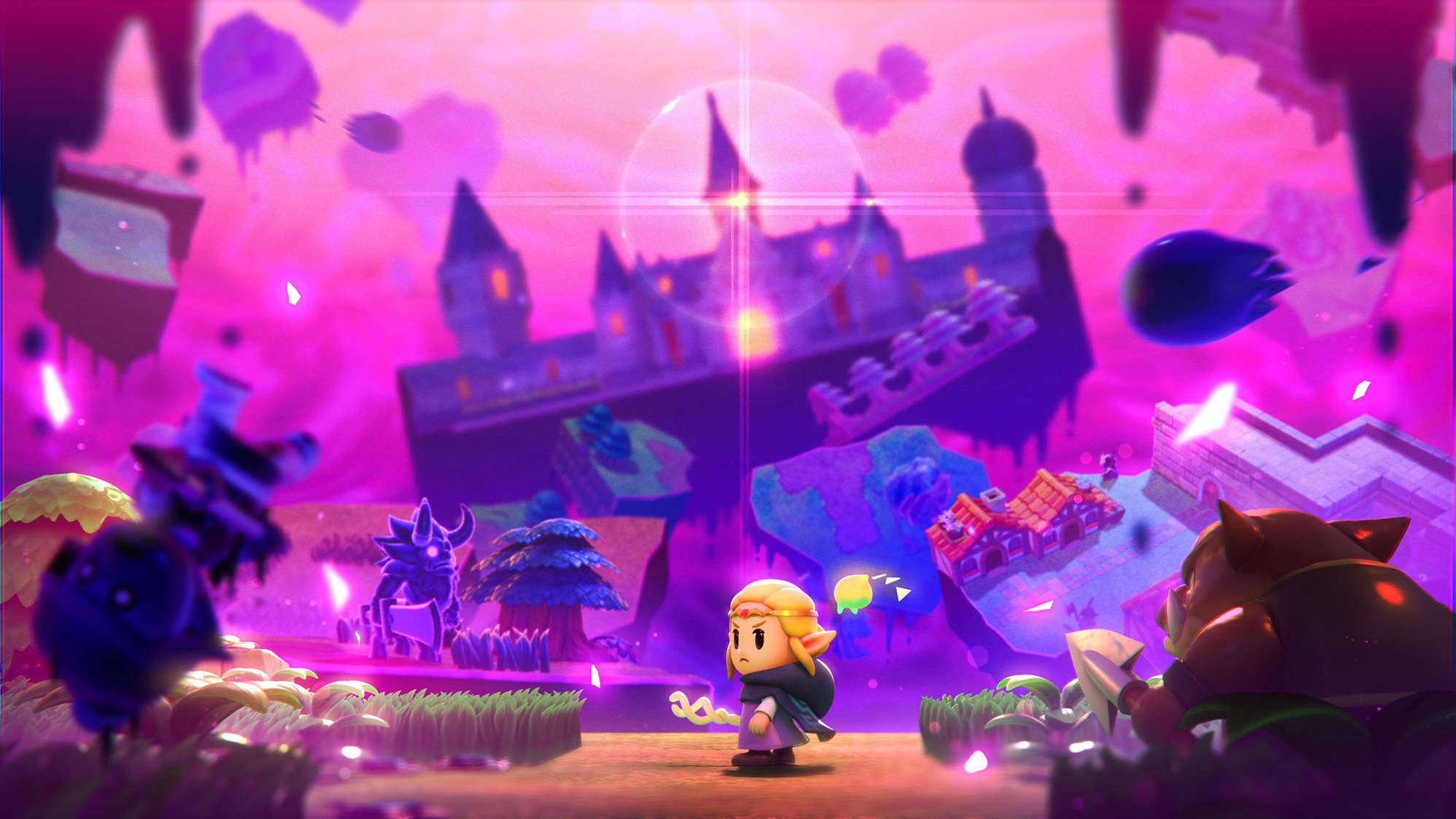
But then last summer, we got the surprise announcement of Echoes of Wisdom, and my interest was piqued. Besides the fact that oh my God Zelda was going to finally be the main playable character, I saw hints of the old Zelda style creeping back into the game. While I didn’t get Echoes at launch, I got it a few months later for Christmas and immediately started playing through it.
What I found was a game that attempted to bridge the gap between the “open air” style of BotW and TotK, and the classic OoT formula. Instead of items, Zelda summons echoes of enemies and objects to fight, solve puzzles, and navigate the vast kingdom of Hyrule and its eight dungeons.
And yes, I said dungeons. Classic Zelda-style temples with classic Zelda-style puzzles and a classic Zelda-style boss at the end of each one. Not only that, but there are a ton of caverns and mini-dungeons (some of which with their own unique boss fights as well!). For someone who missed those classic Zelda temples probably more than anything else that got excised from BotW, I was elated.
While Echoes does suffer a bit from the “open air” elements it tries to incorporate, it still strikes a good balance between offering freedom and presenting a clear direction and structure. EoW’s Hyrule is chock-full of puzzle areas, and the journey to many of the temples is somewhat reminiscent of Skyward Sword‘s dungeon-esque overworld – another point in its favor.
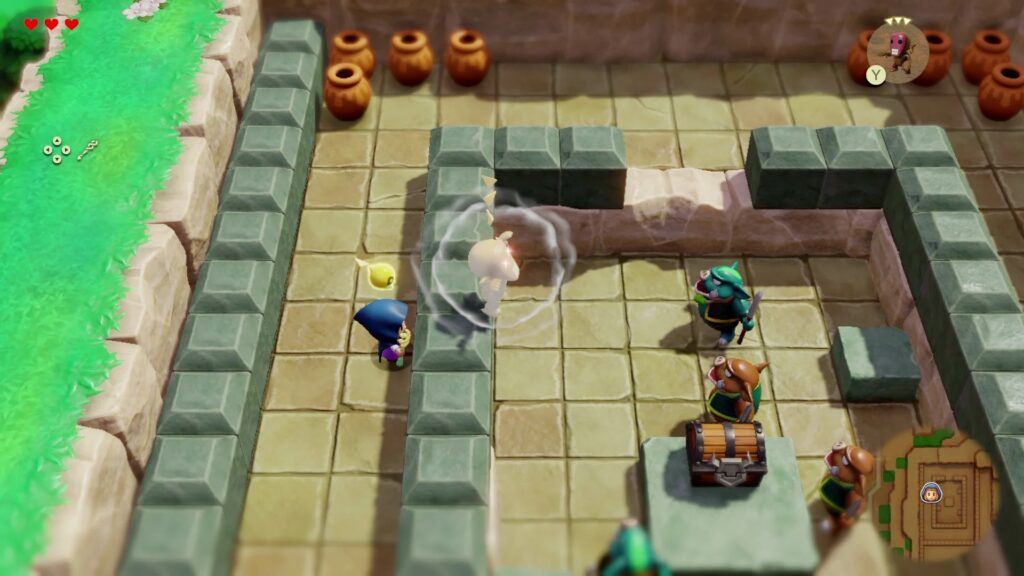
Meanwhile, the structure of the actual quest has a bit more direction than BotW. It’s actually most reminiscent of A Link Between Worlds, with the option to venture to any of a set of dungeons in any order, then once those are completed you open up another set. This type of structure actually works a bit better in EoW than in ALBW, because the echoes you need to complete a certain dungeon tend to be found in the leadup to and inside the dungeon itself. Having that additional bit of gatekeeping allows for a bit more uniqueness in the design of each dungeon and its puzzles. And throughout the journey, you’ll meet a ton of charming characters and even some moments that will tug at your heartstrings.
If nothing else, hopefully my musings here have spelled out what makes a Zelda game for me. Rather than total freedom in an open-world sandbox, I like at least some direction and structure. Big dungeons full of puzzles and enemies culminating with imposing, fun boss fights are a must; as are creative puzzles making use of the inventory you build up over the course of the game. And of course, there must be a generous splash of quirkiness and charm. After BotW, I thought that all of those things were gone from the series for good.
Echoes is not a perfect game by any means, and truthfully there are quite a few entries that are higher than it on my list of favorite Zelda games. If you want to read all my thoughts and critiques about it, read my review. Despite my quibbles, though, I still had more fun with it than any other Zelda in years. There’s enough of that pre-BotW formula injected into it for me to enjoy it and give myself perhaps a glimmer of hope that my favorite series might not be done with me after all.